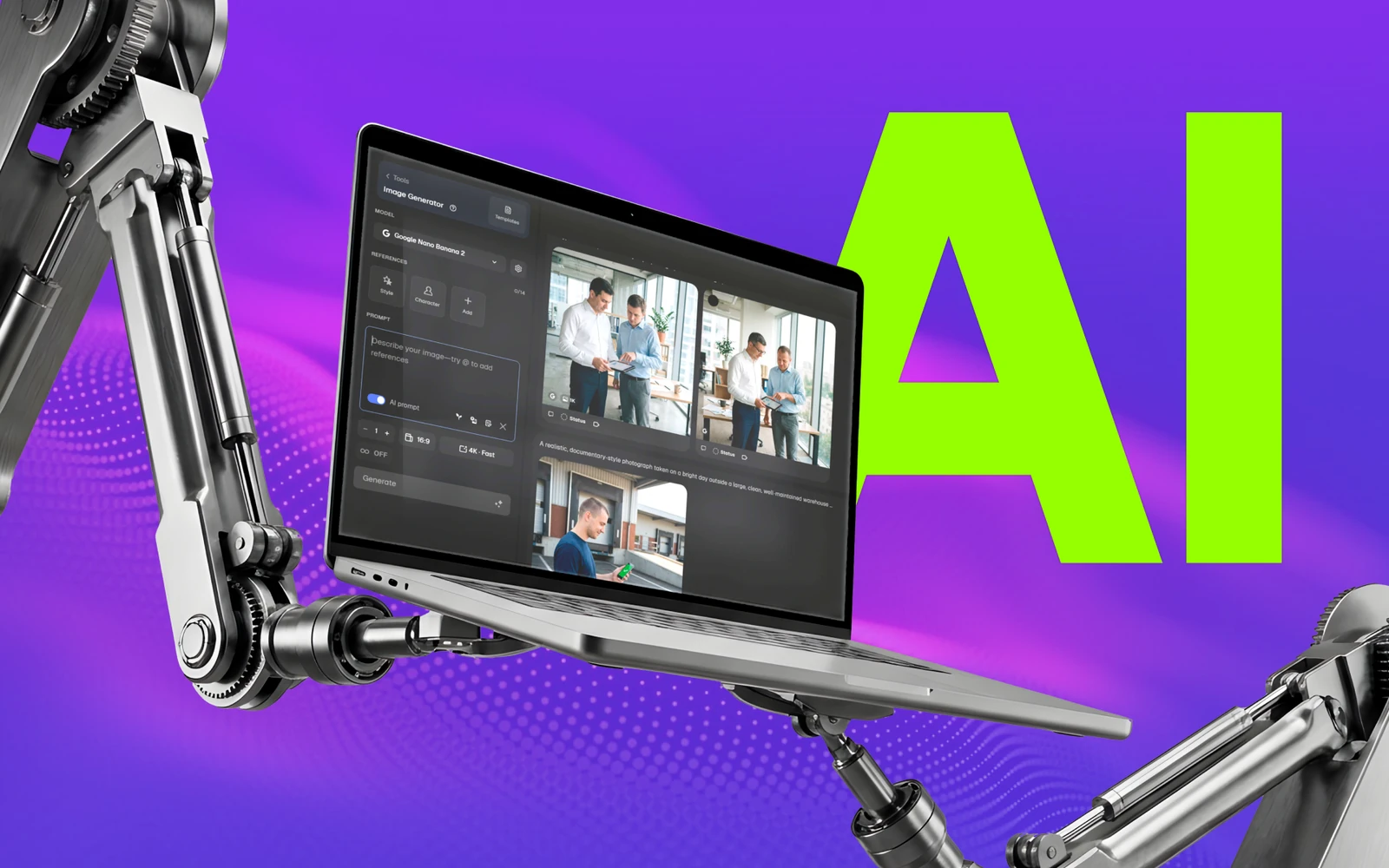
BackPortfolio / AI mascot

Warehouse shift mascot

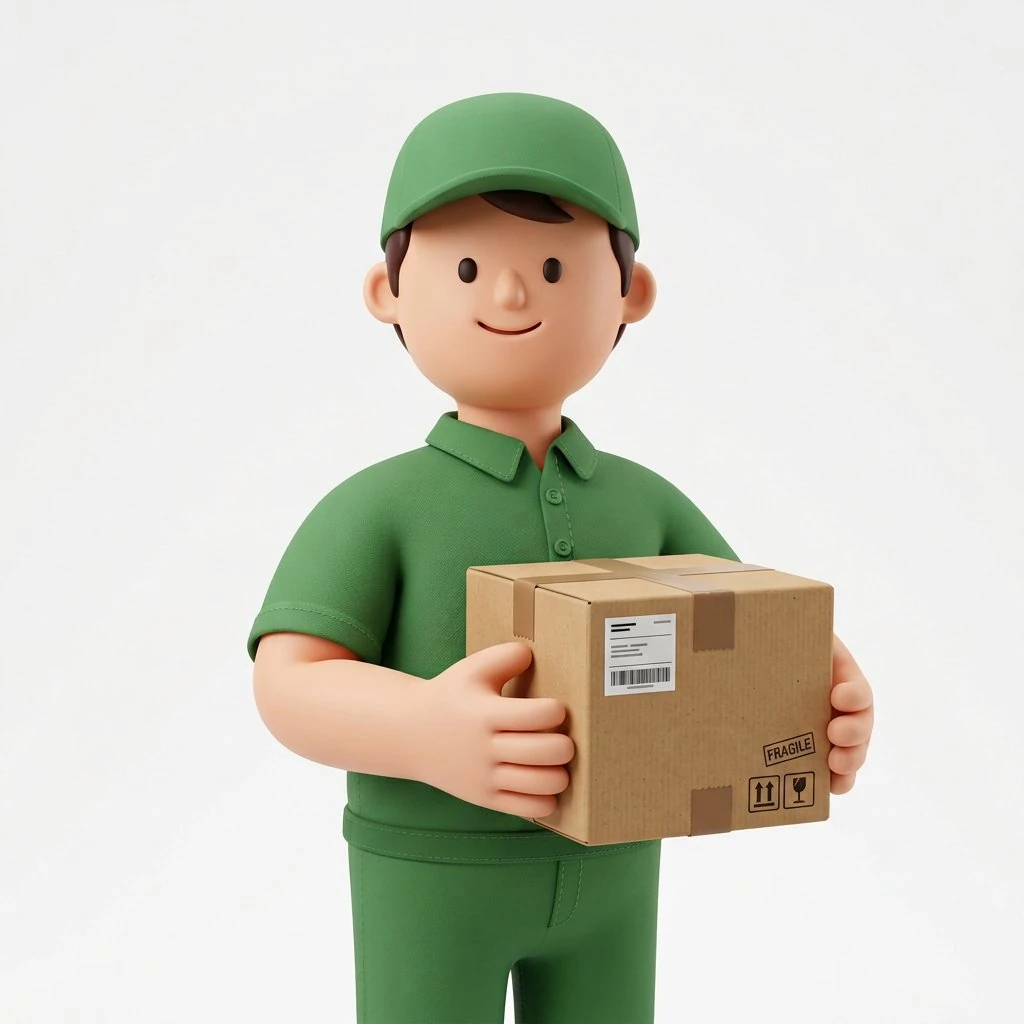
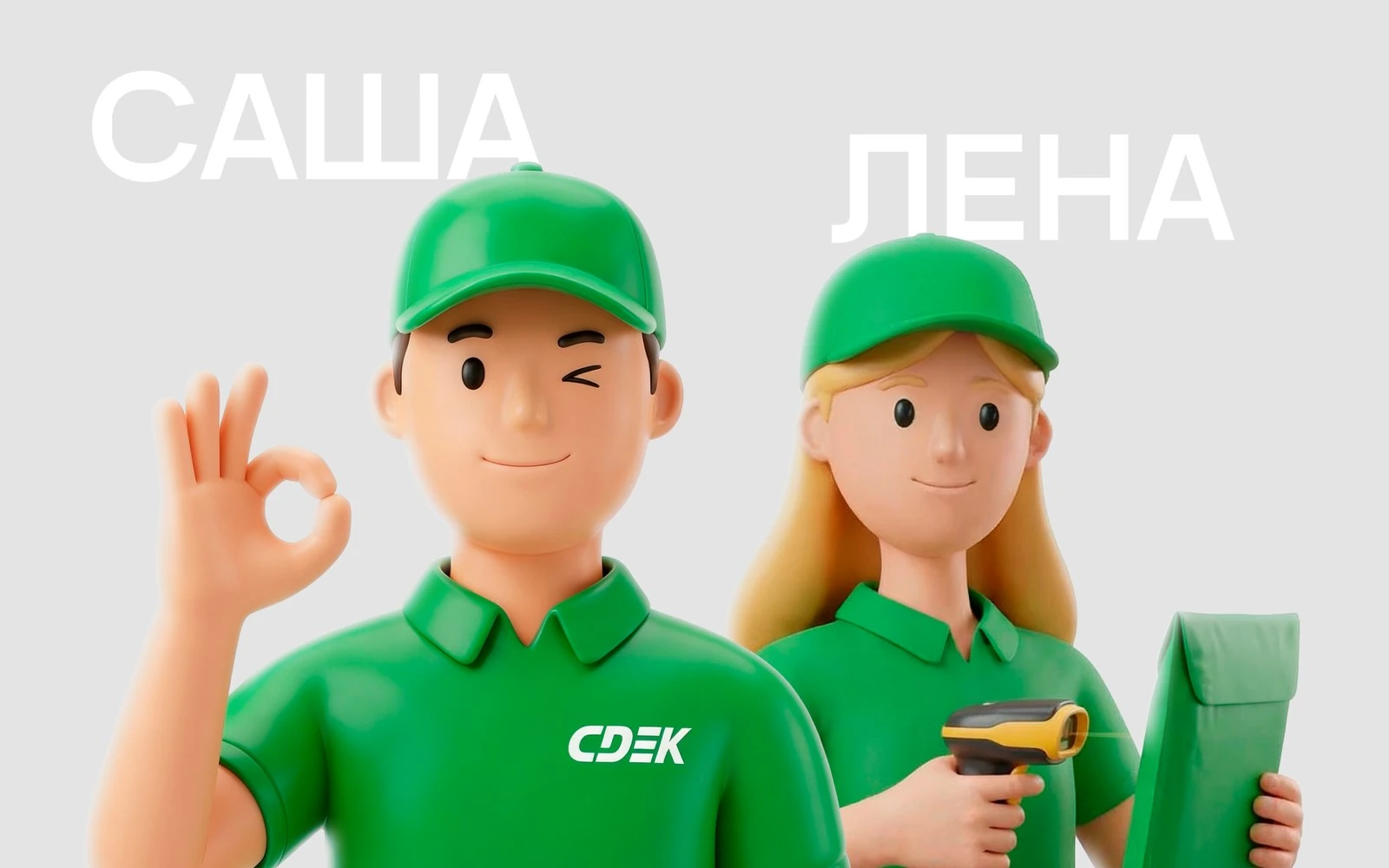
The warehouse brought to mind grim men aged 40–60. We broke that stereotype with the AI characters Sasha and Lena — and the number of people willing to take a shift grew sixfold.

Role
AI designer, prompt engineering, 3D refinement
Client
Logistics operator, warehouse shifts
Challenge
Attract 20–25 year olds to shifts
Tools
Neural networks, prompt engineering, 3D, brand book

The numbers

6×People willing to take a shift2 → 12 a week
37%Repeat shiftswas 14%
1 sentenceTo edit a 3D characterno rebuild from scratch
2Characters: Sasha and Lenaone editing logic
20–25Target audience, ageper the brief
37+Generation iterationsfrom flat 2D to 3D

Challenge

Two people a week were showing up for warehouse shifts — that number is where the challenge started. The brief called for reaching 20–25 year olds, mostly men and a few less women, for roles as loaders, receiving and checking parcels, and entering data into a tablet.

Behind the ambitious goal was a perception problem no one had tackled for years: the warehouse was associated with grim men aged 40–60 — dirty, worn out, without a smile. Together with the marketing team we set out to break that stereotype and show young, energetic, content workers, so the audience could see themselves. Not hard labour, but movement, a team, a healthy pace.
Process

01

The character idea

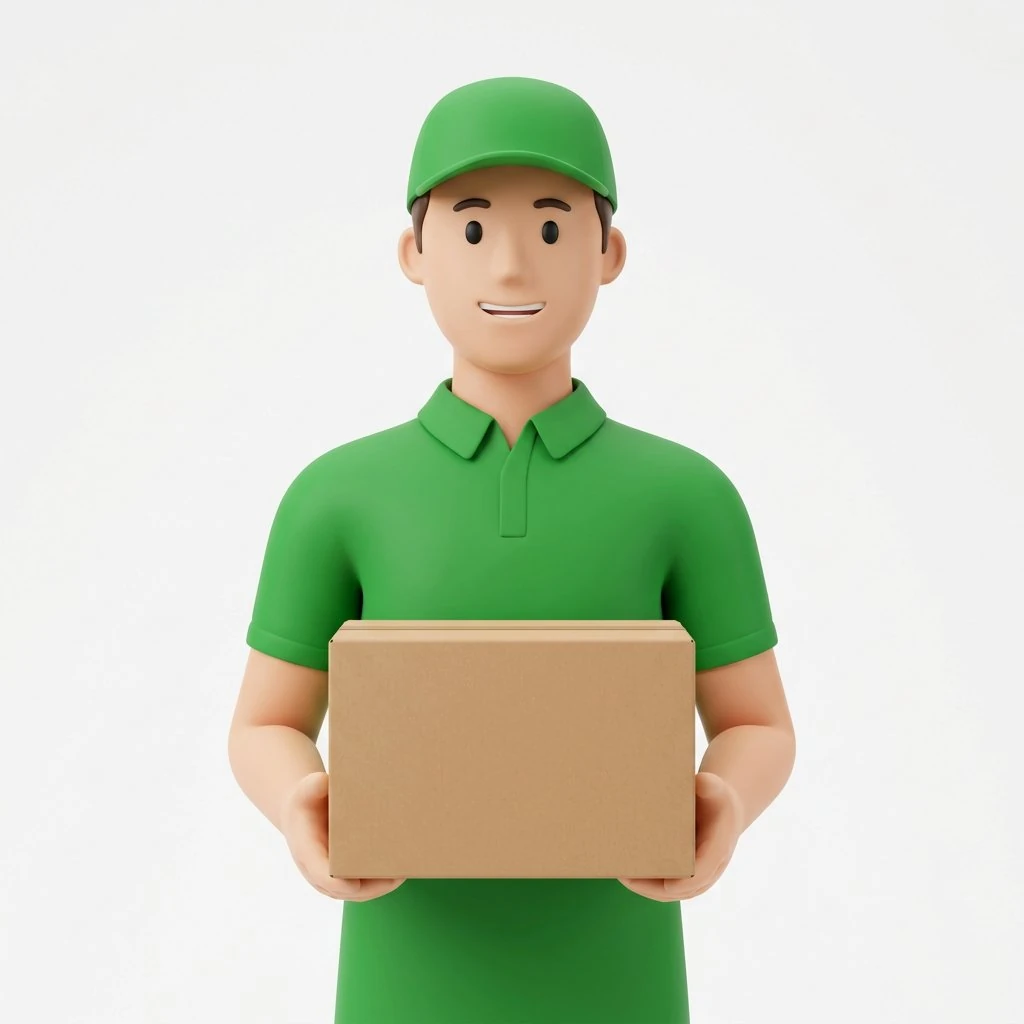
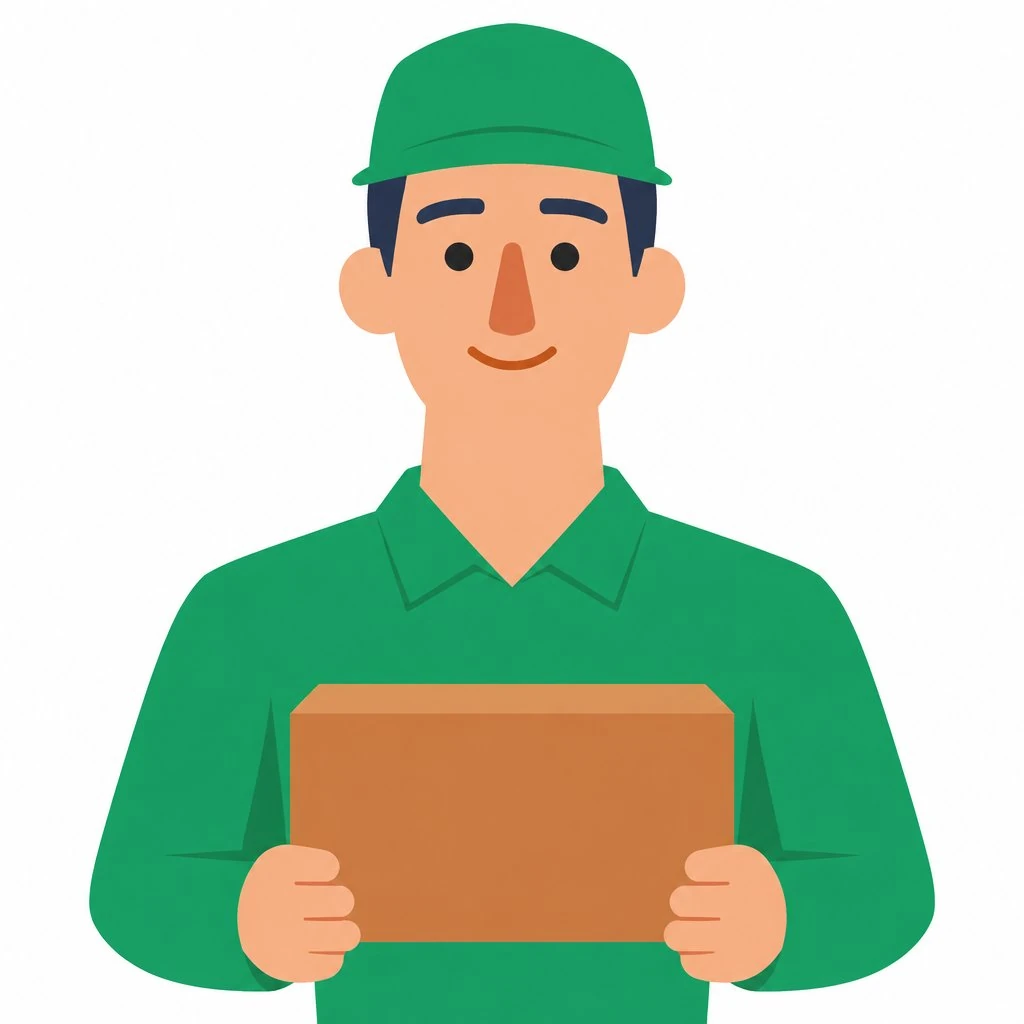
That's how the idea of a character who would become the face of the campaign came about — a mascot. It had to embody the idea and make people want to join in: to be not just a worker but part of a team, and to achieve more than they had now.

First version of the character
02

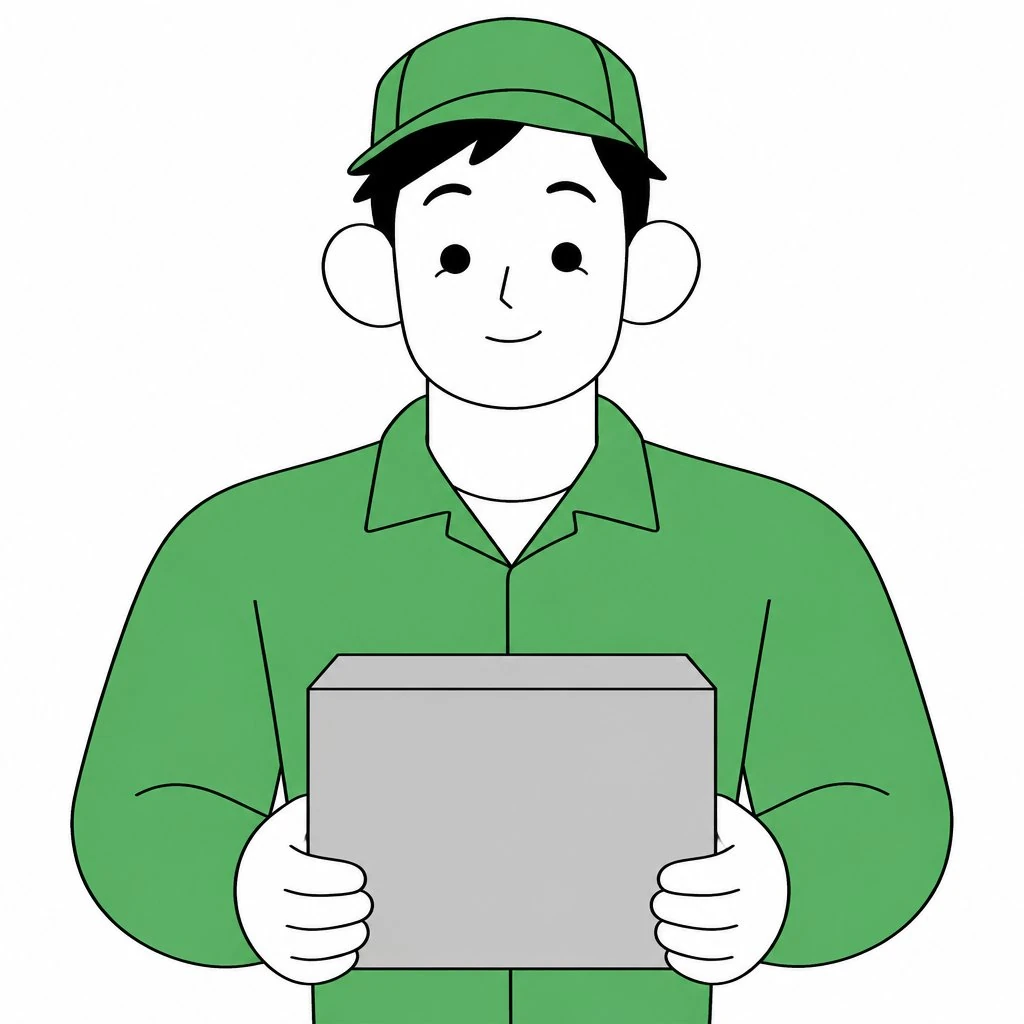
First 2D iterations

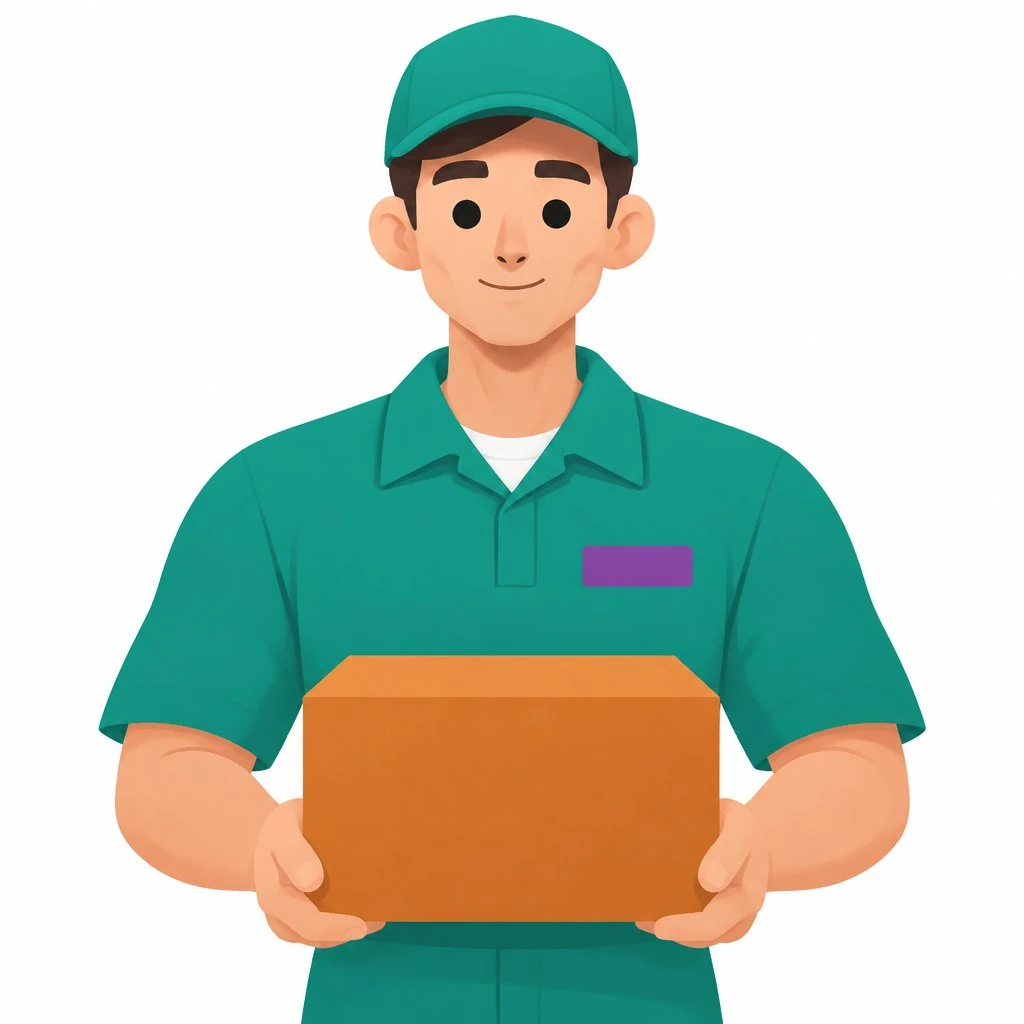
I started with minimalist 2D: a drawn style, simple shapes, a basic palette. I was working from the idea of simplicity and easy perception. The result turned out flat in the literal sense — the character stirred no emotion, you didn't want to identify with it. It became clear: what was missing was volume, depth, physical presence.

2D iteration2D iteration2D iteration2D iteration
03

Prompt engineering

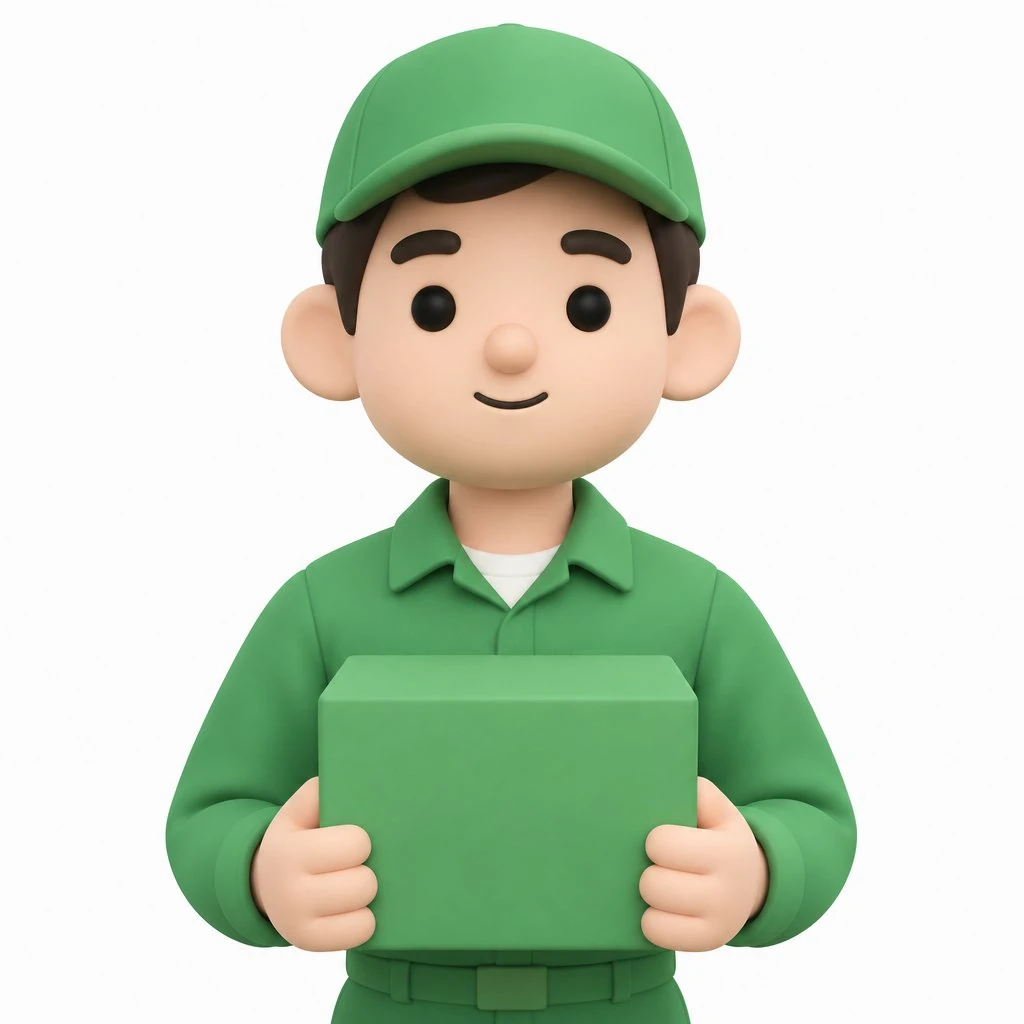
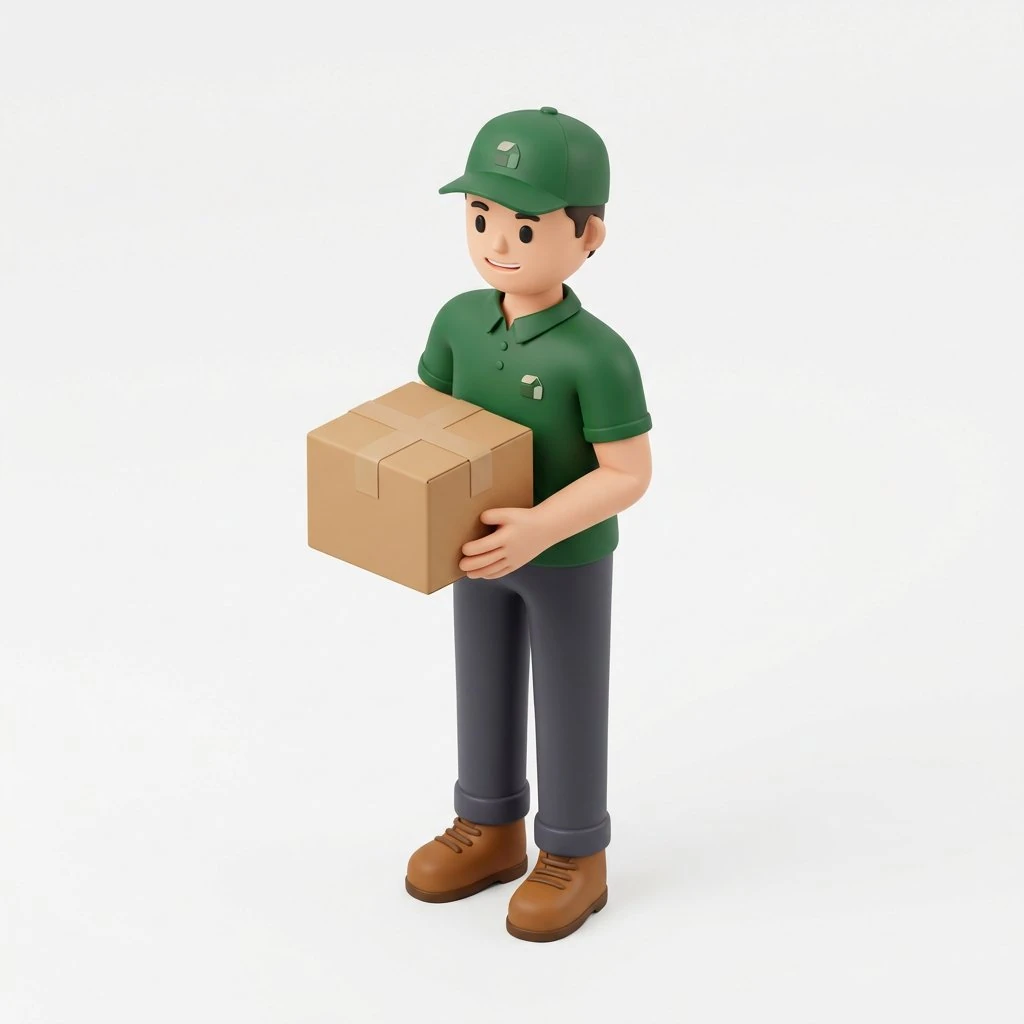
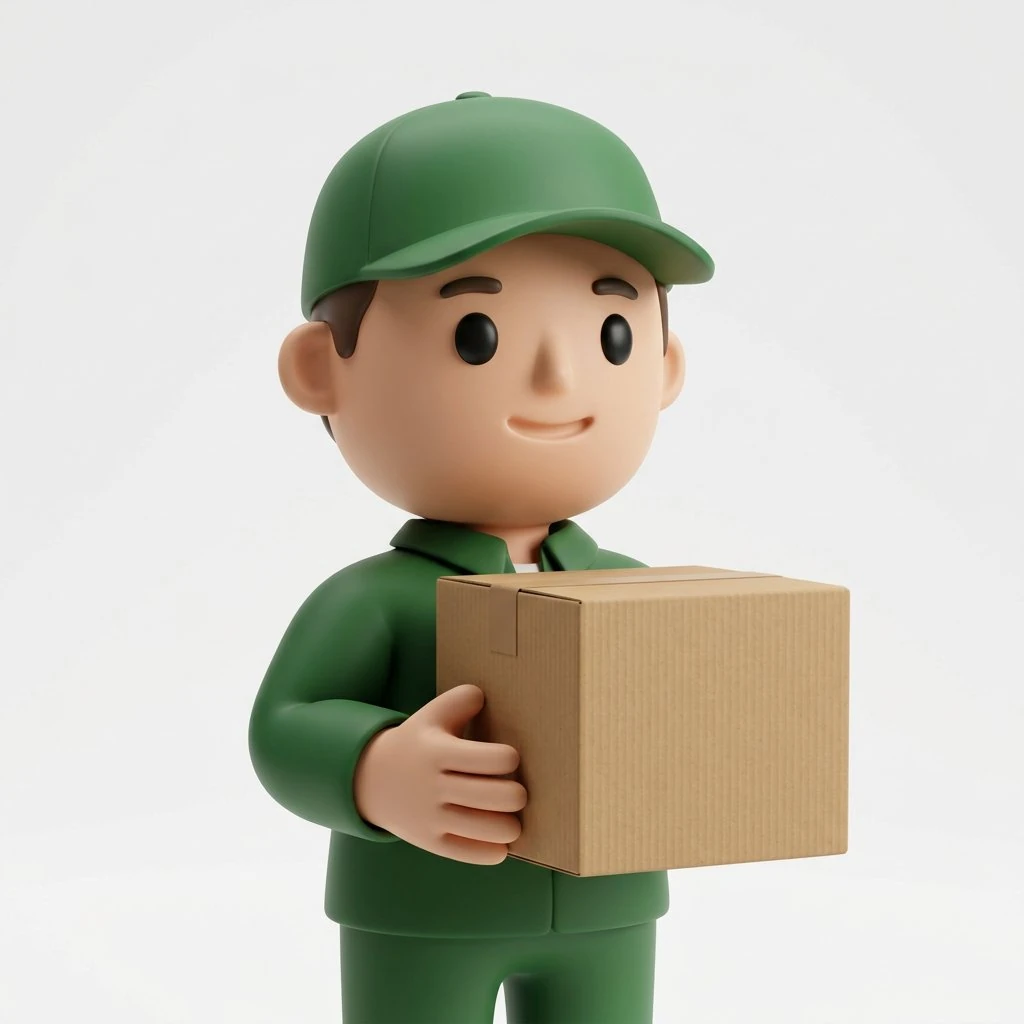
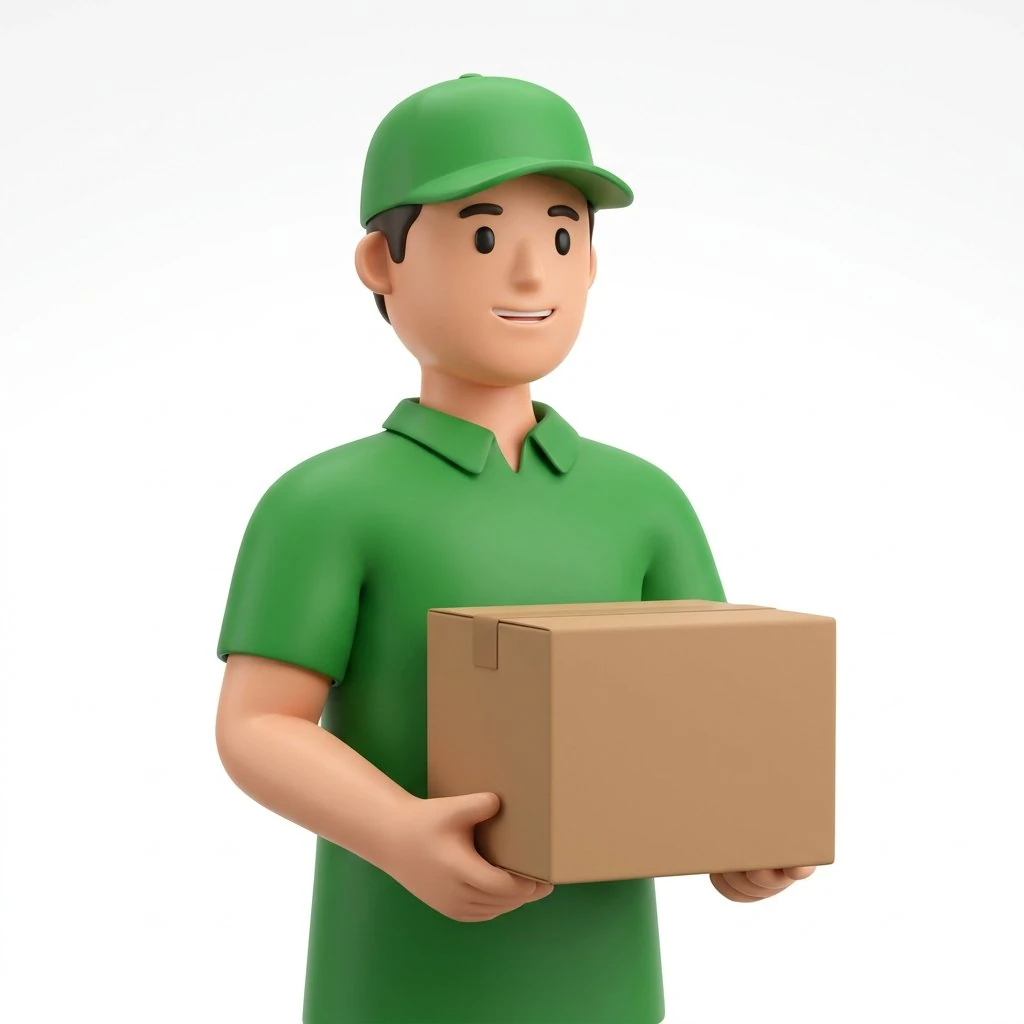
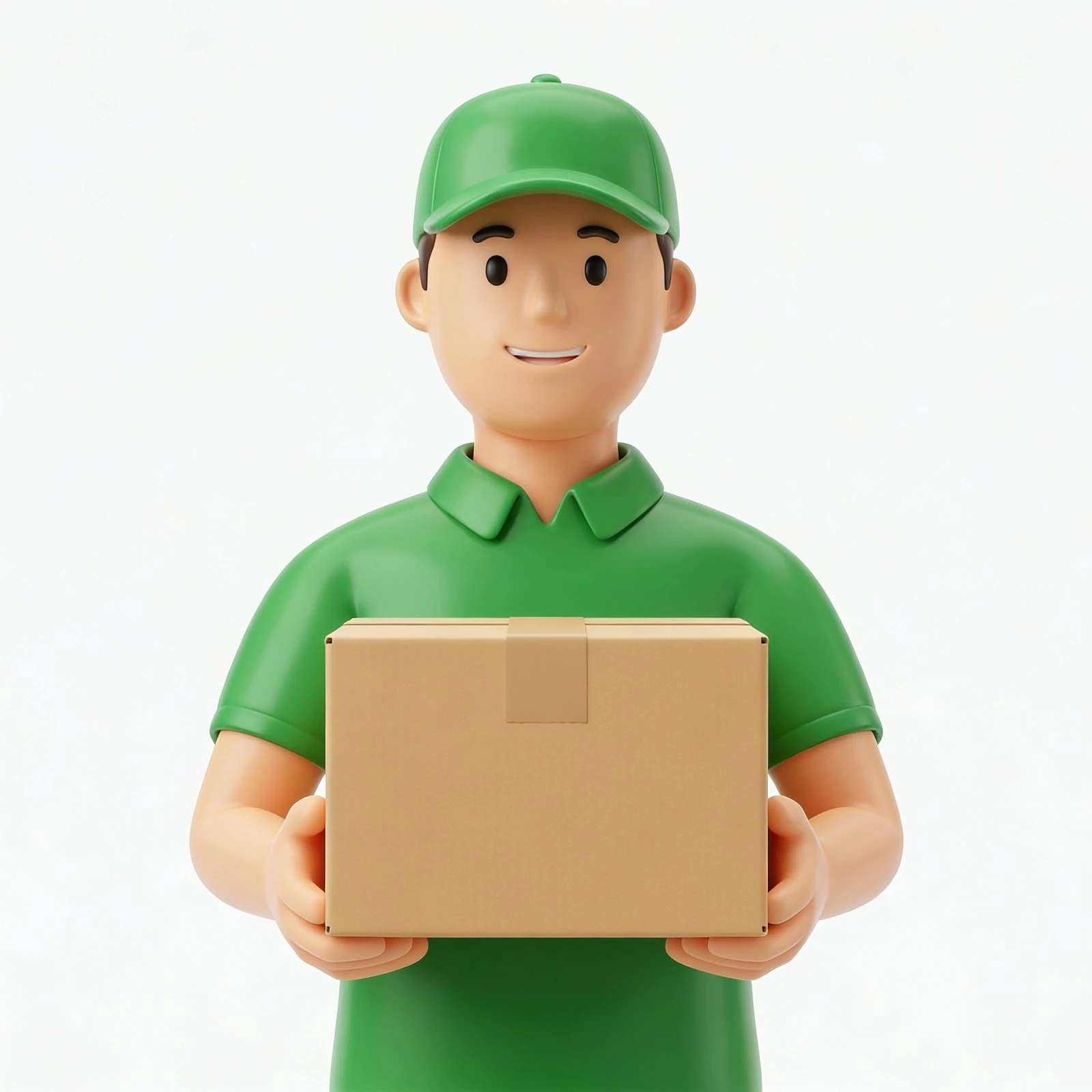
I went back to prompt engineering and started working through hypotheses systematically: switching models, experimenting with CFG, seed and samplers, testing low-poly and realistic 3D styles. Each iteration sharpened the look.

3D iteration3D iteration3D iteration3D iteration
04

Sasha: hand refinement

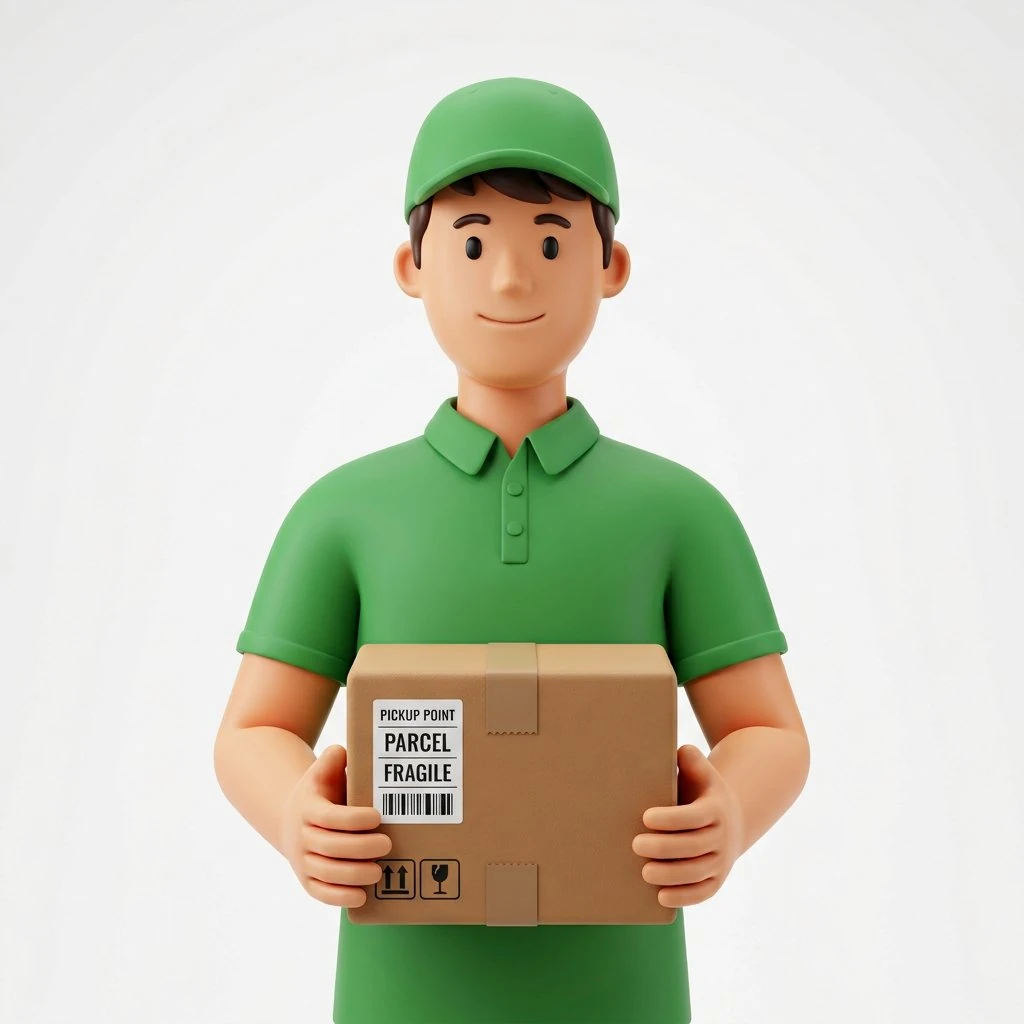
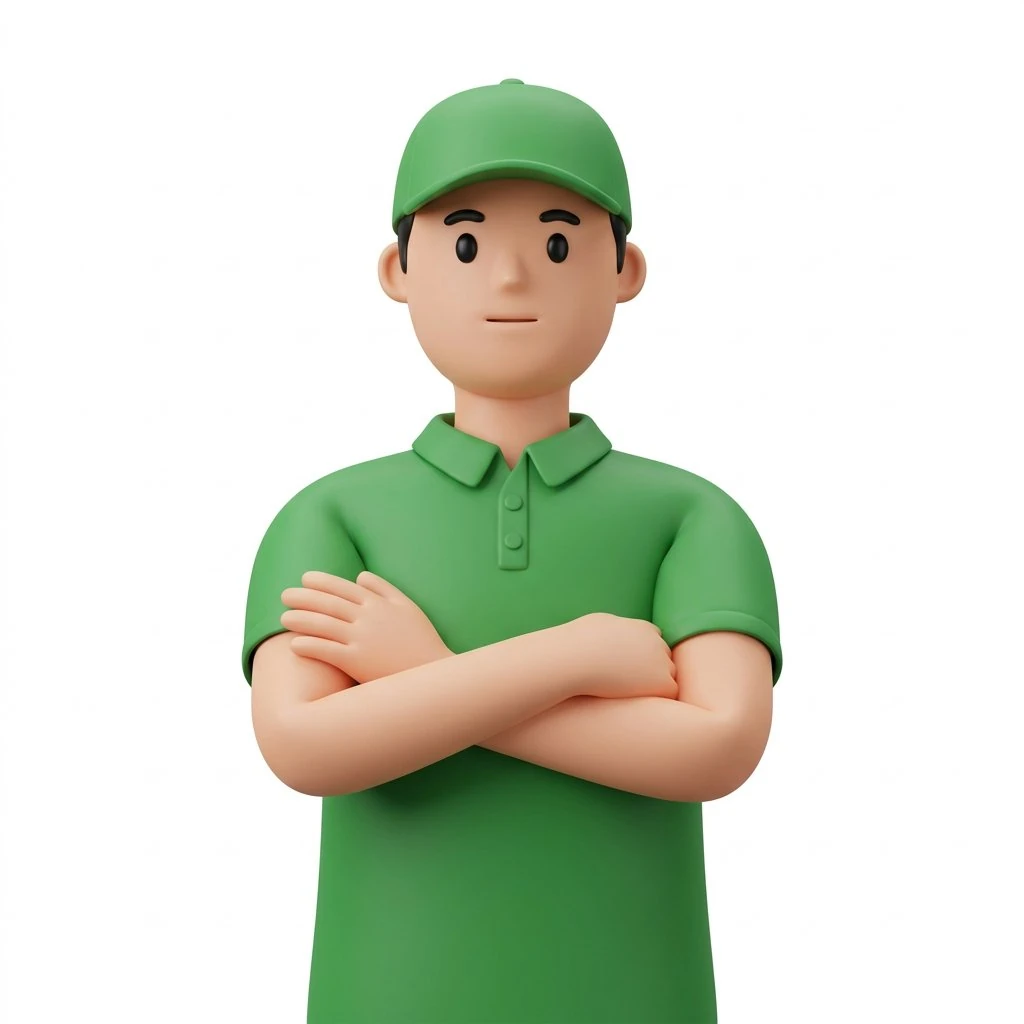
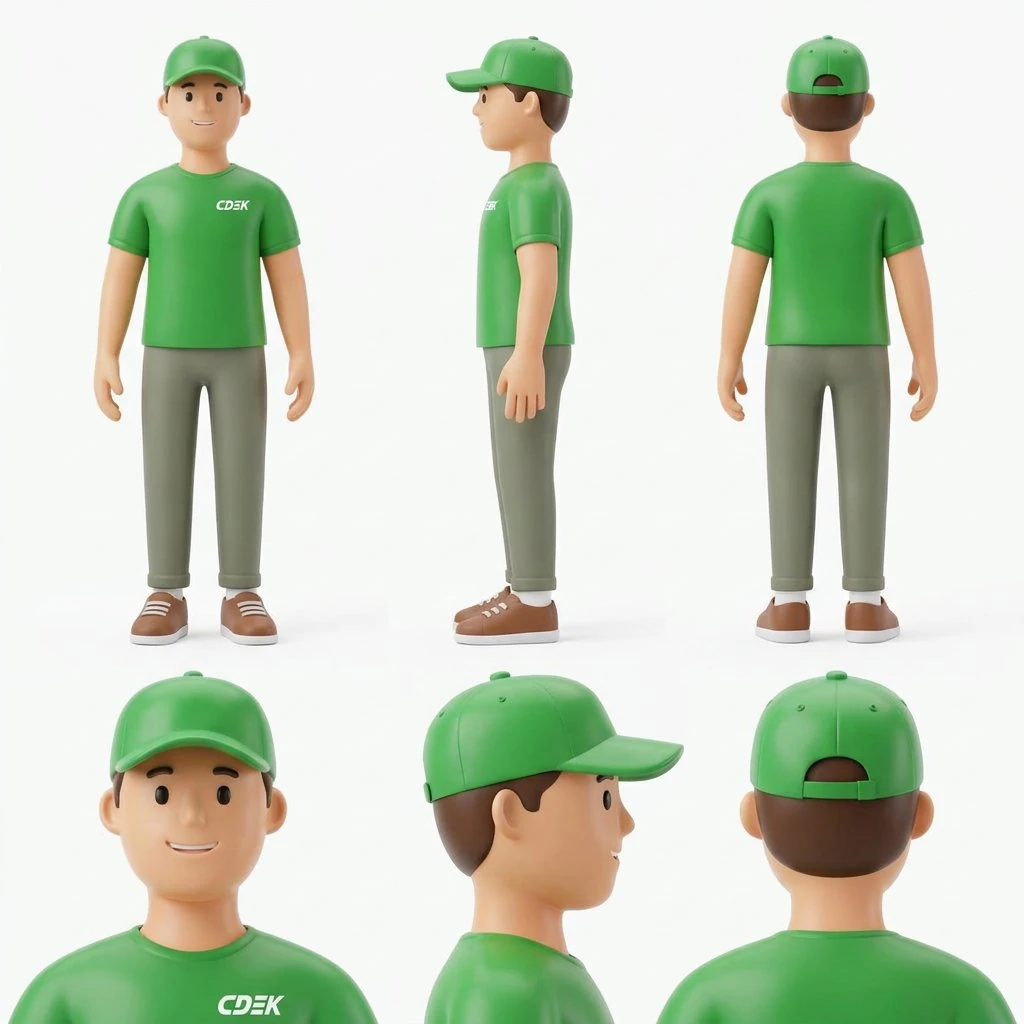
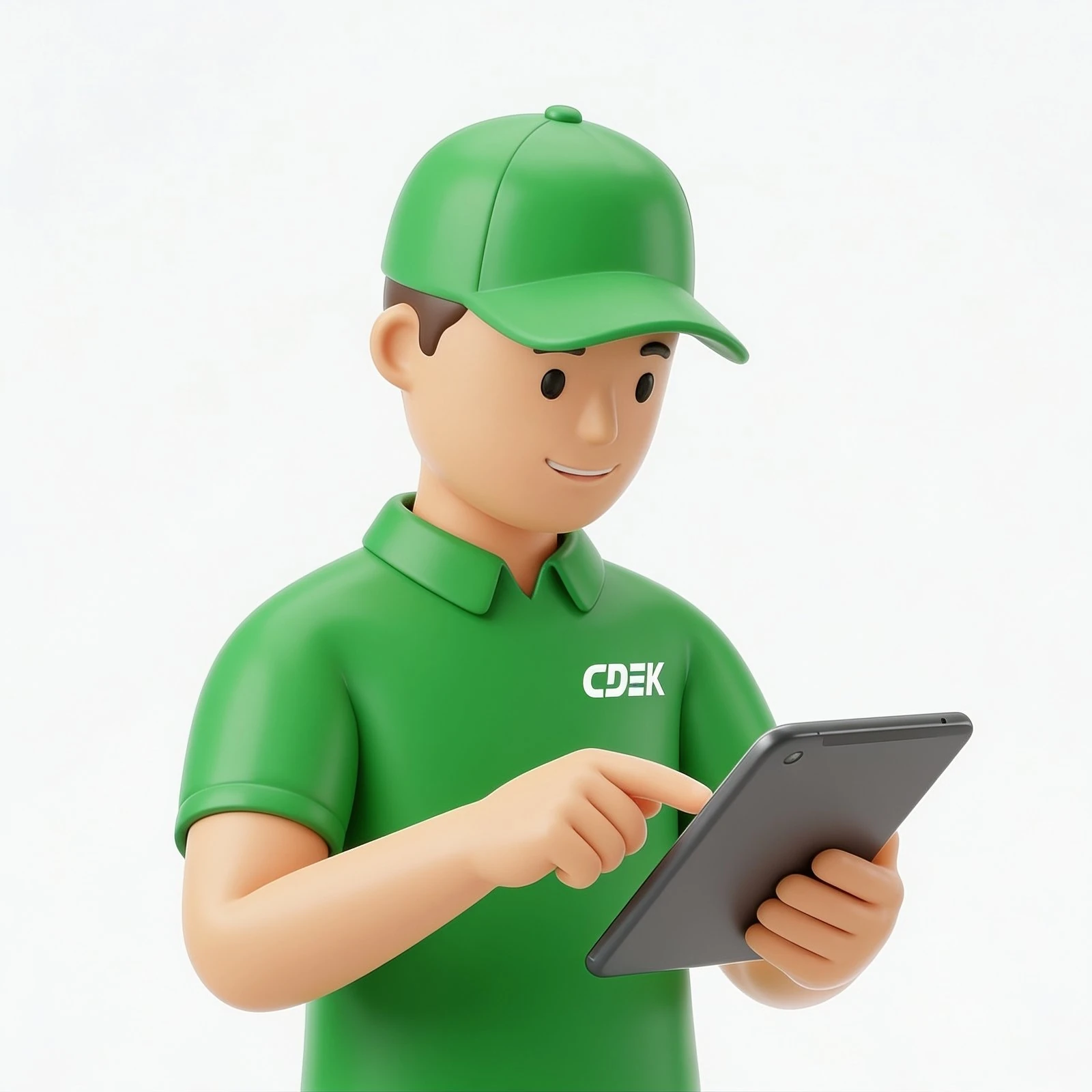
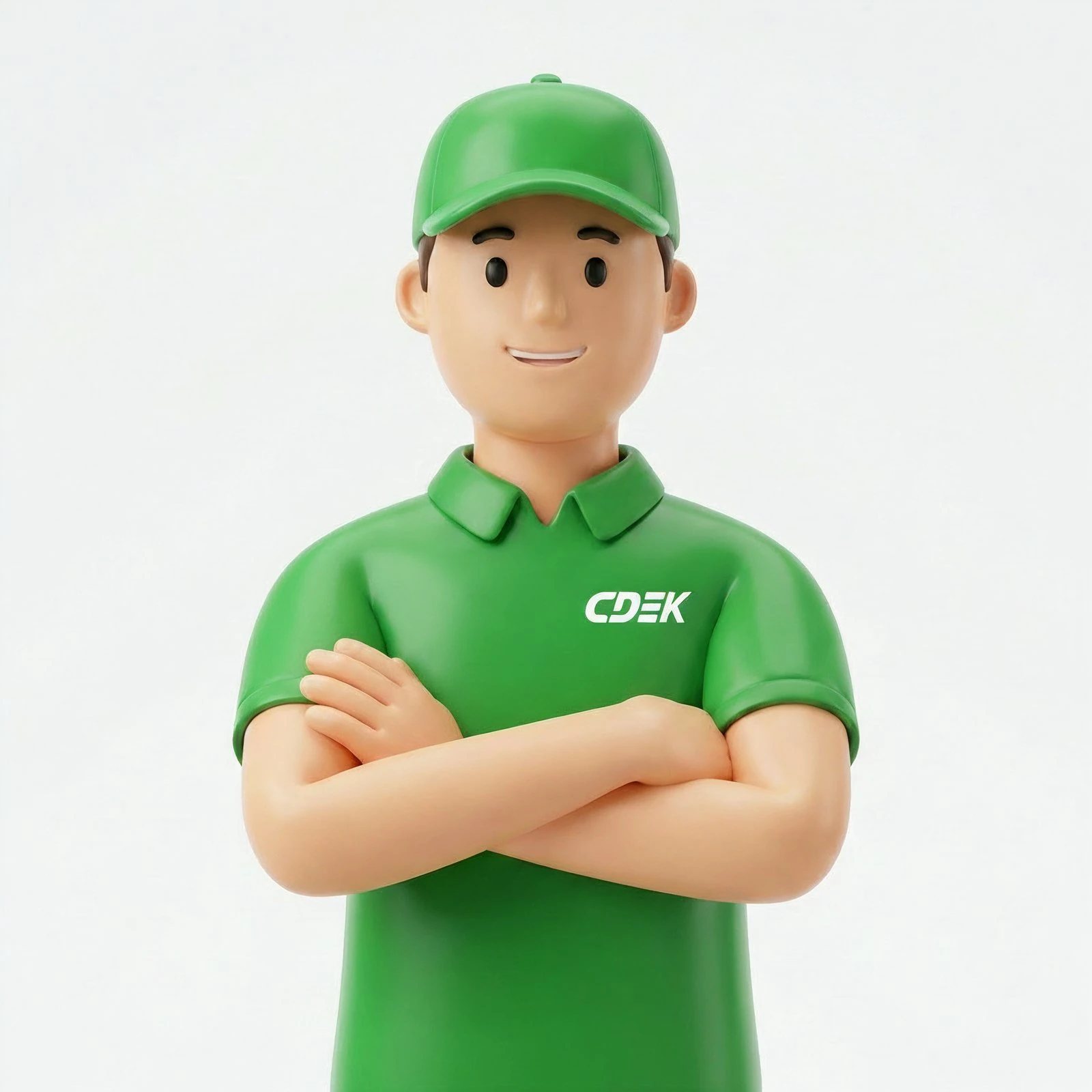
Gradually a male character took shape, which people inside the company immediately nicknamed Sasha. I refined the details by hand: adjusting the geometry, adding logos, adapting the colours to the brand book. Then I used a neural network to build a full 3D model.

SashaSashaSashaSasha
Character turnaround
05

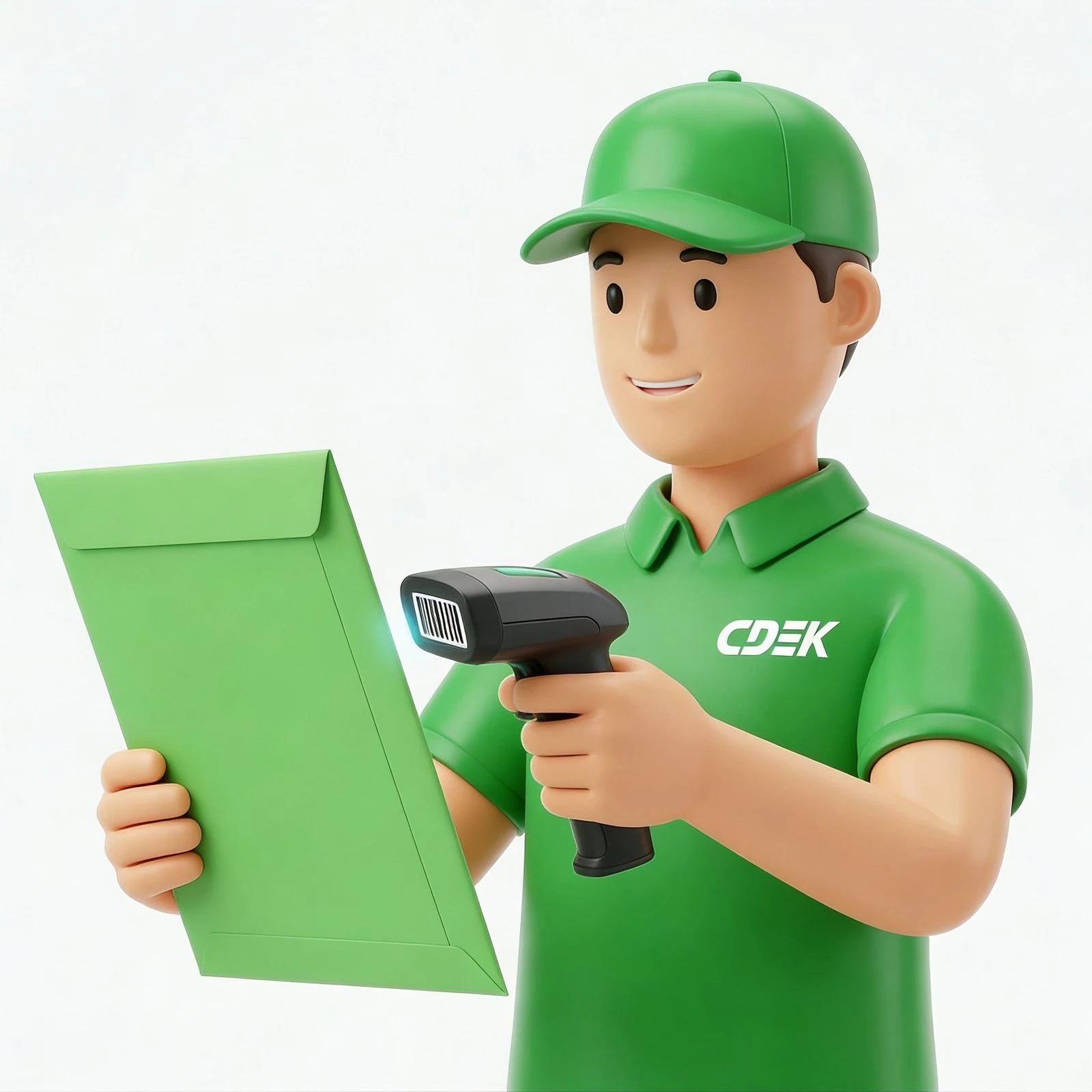
Flexibility: a new shot in one sentence

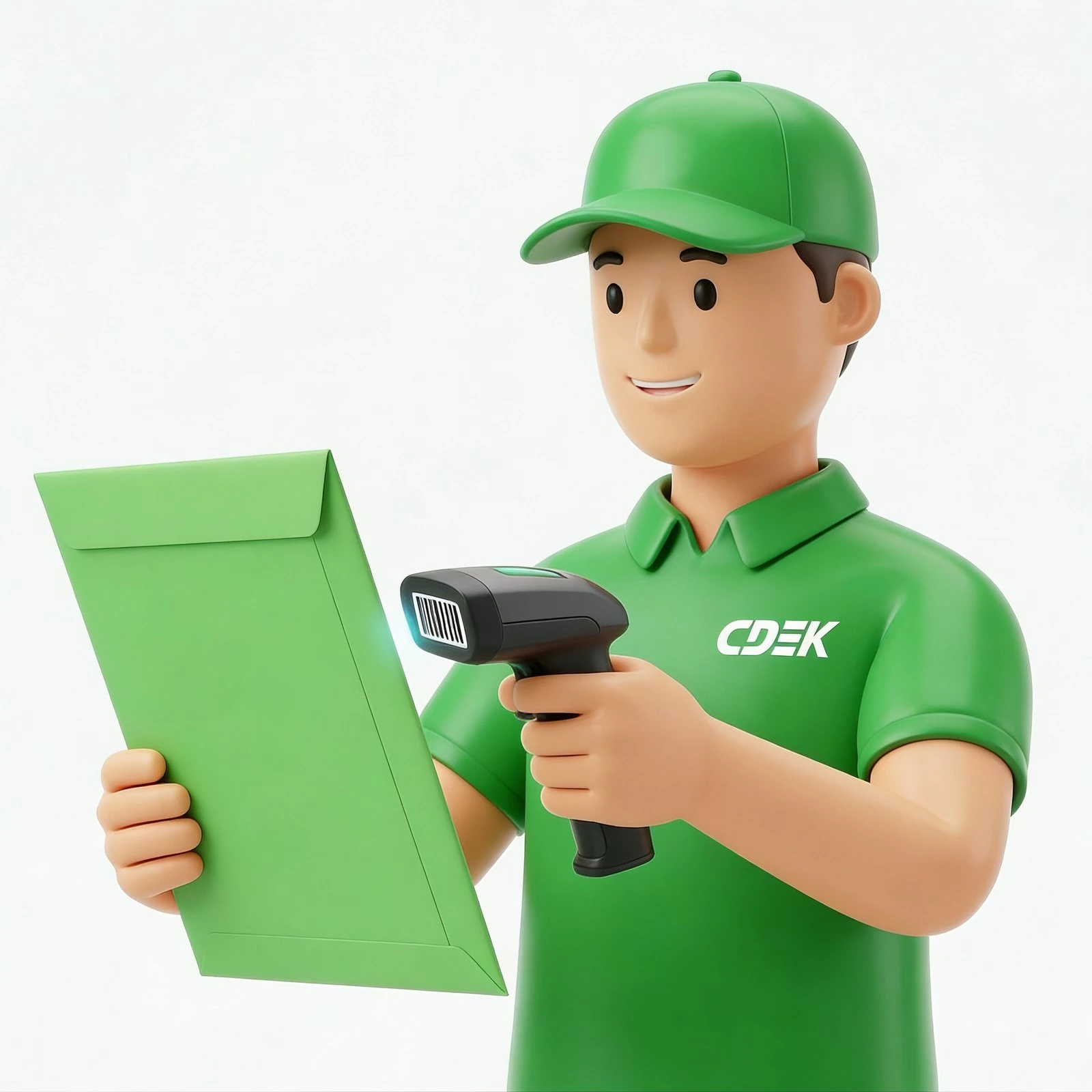
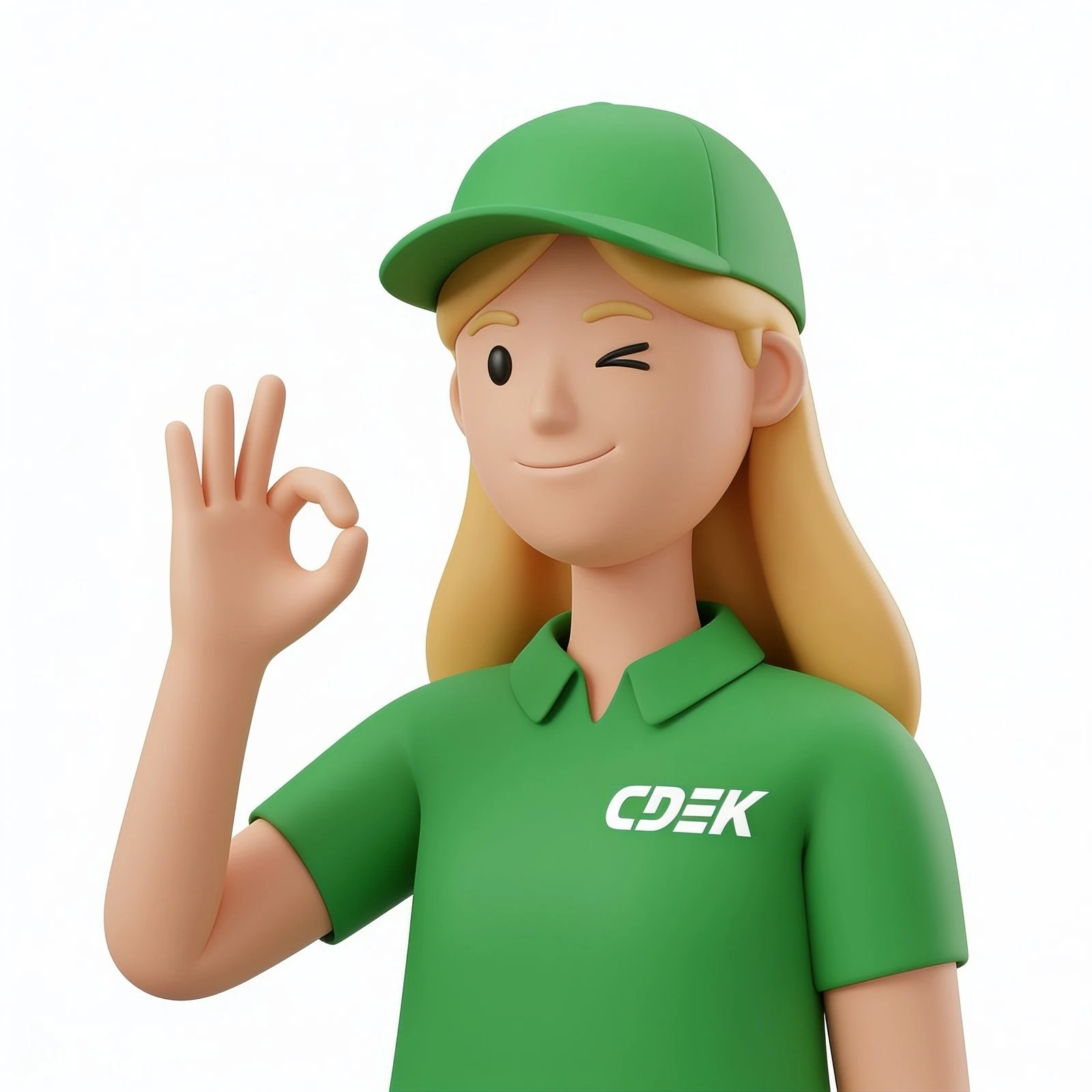
The character adapts with a single sentence: describe a pose, a mood, the objects around it — and you get the shot you need without rebuilding from scratch. That gave flexibility and saved a huge amount of time at the stage of producing ad materials.

Scene with the characterScene with the characterScene with the characterScene with the character
06

Lena: the female character

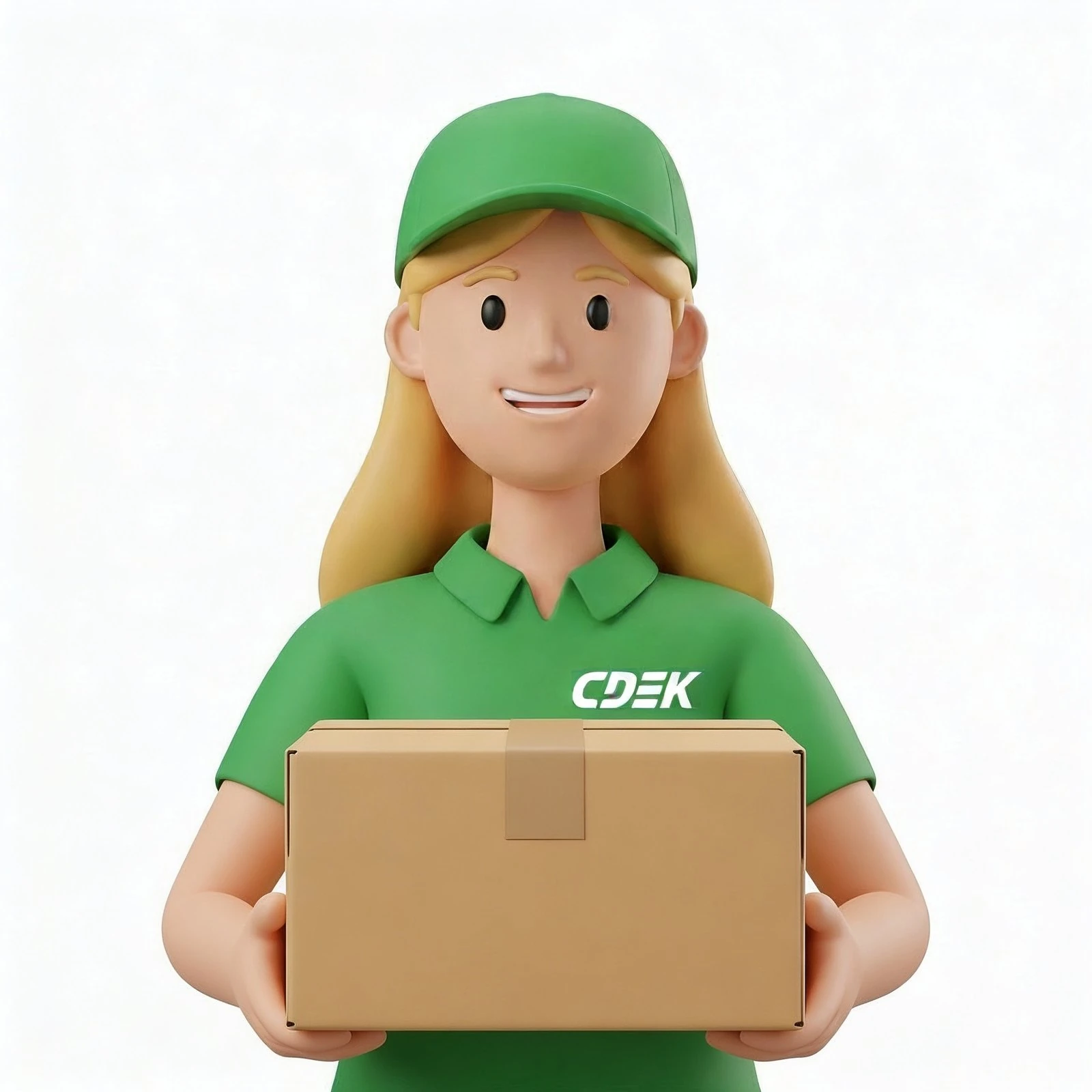
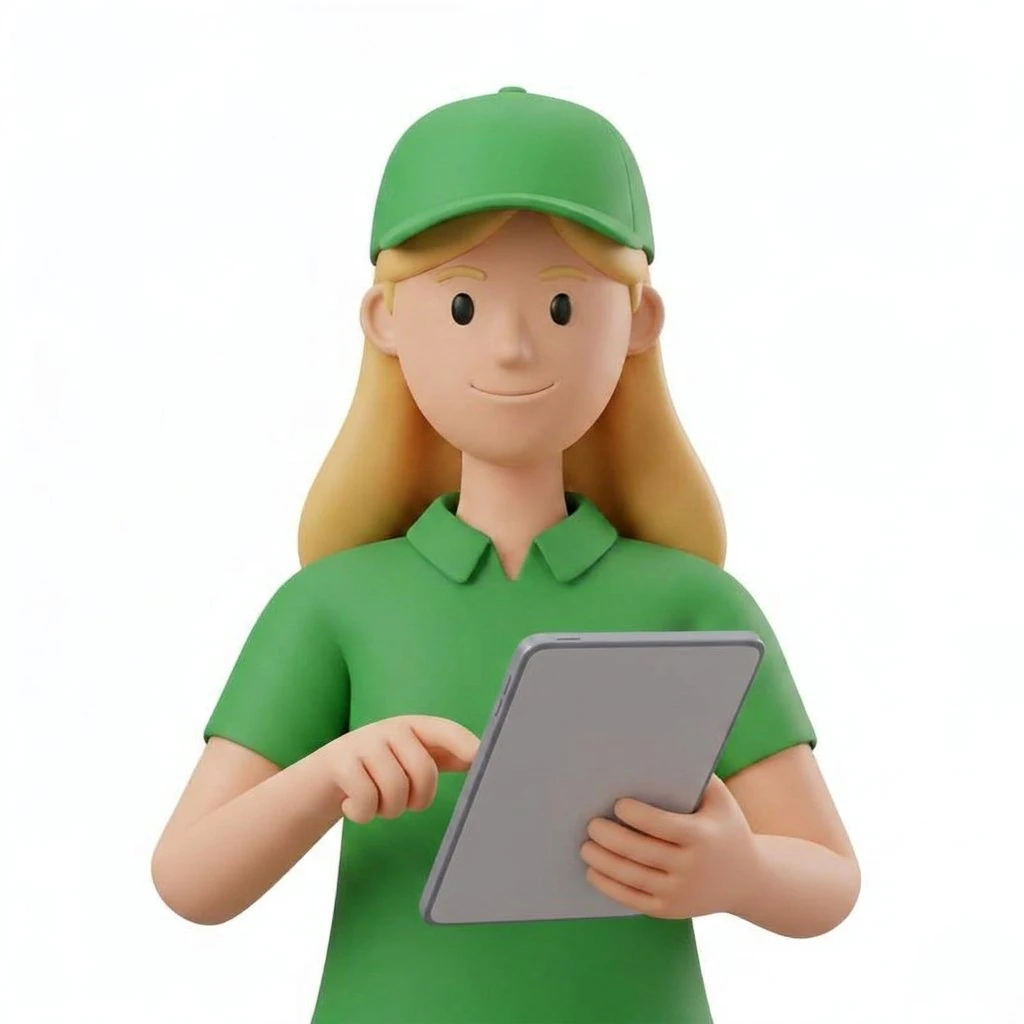
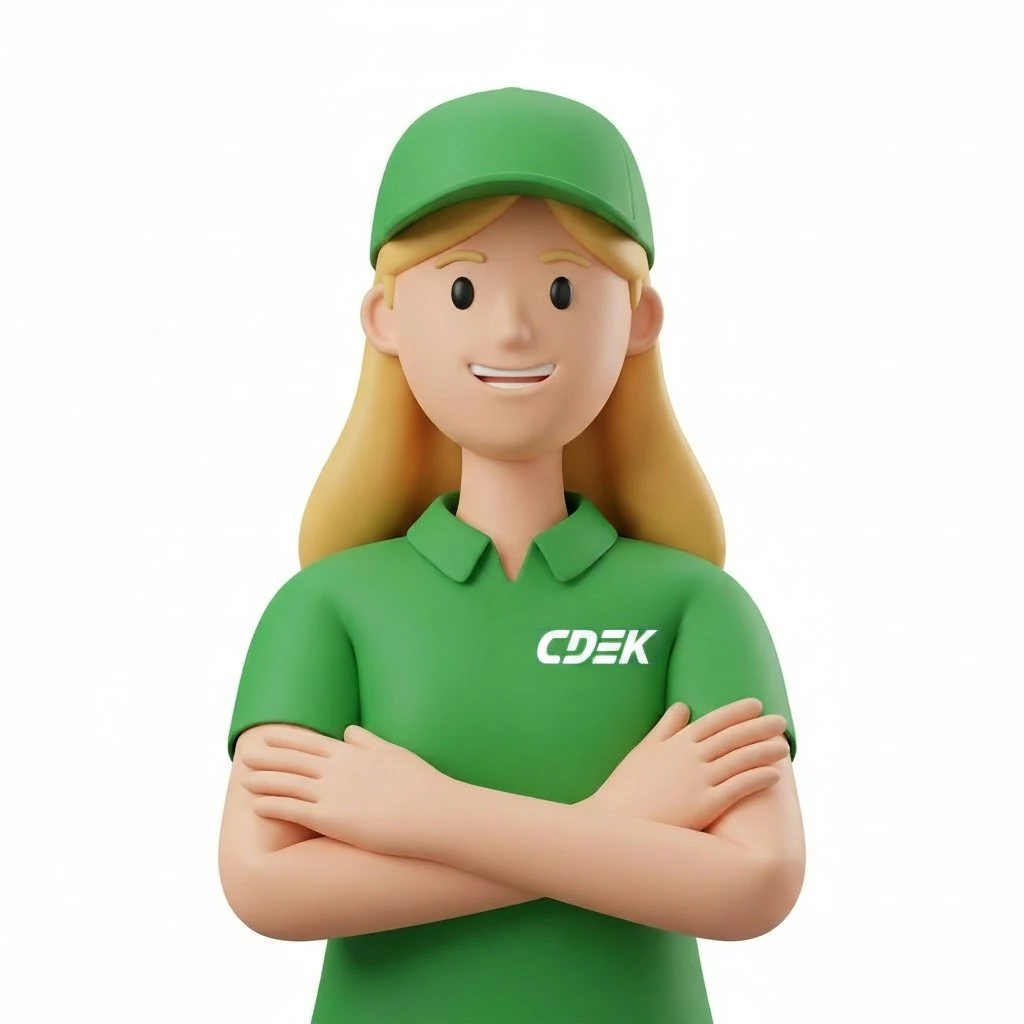
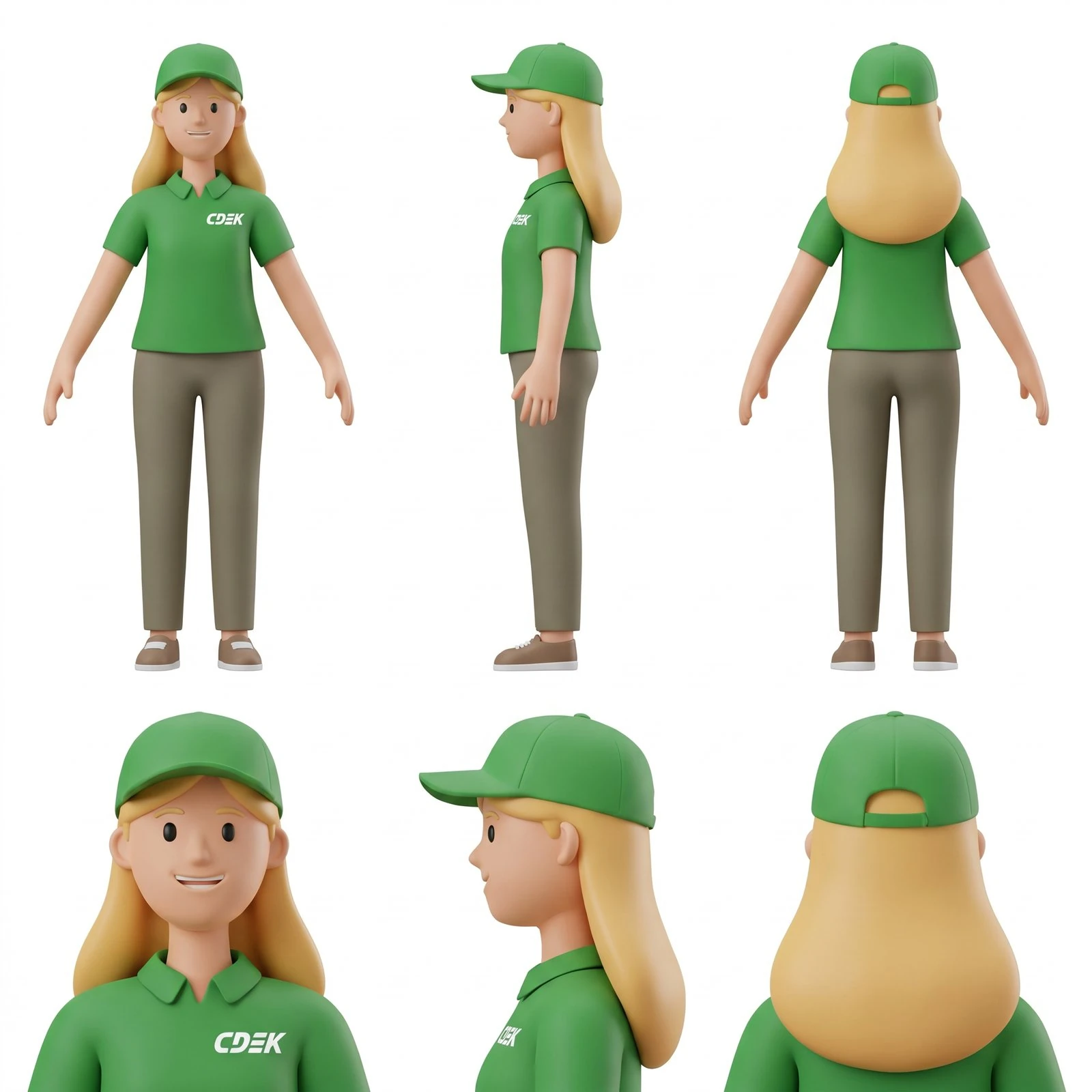
Lena grew out of Sasha — a female character with the same editing logic. One shared system made it possible to build her just as quickly, without losing the recognisable style.

LenaLenaLenaLena
Lena's turnaround
07

The campaign

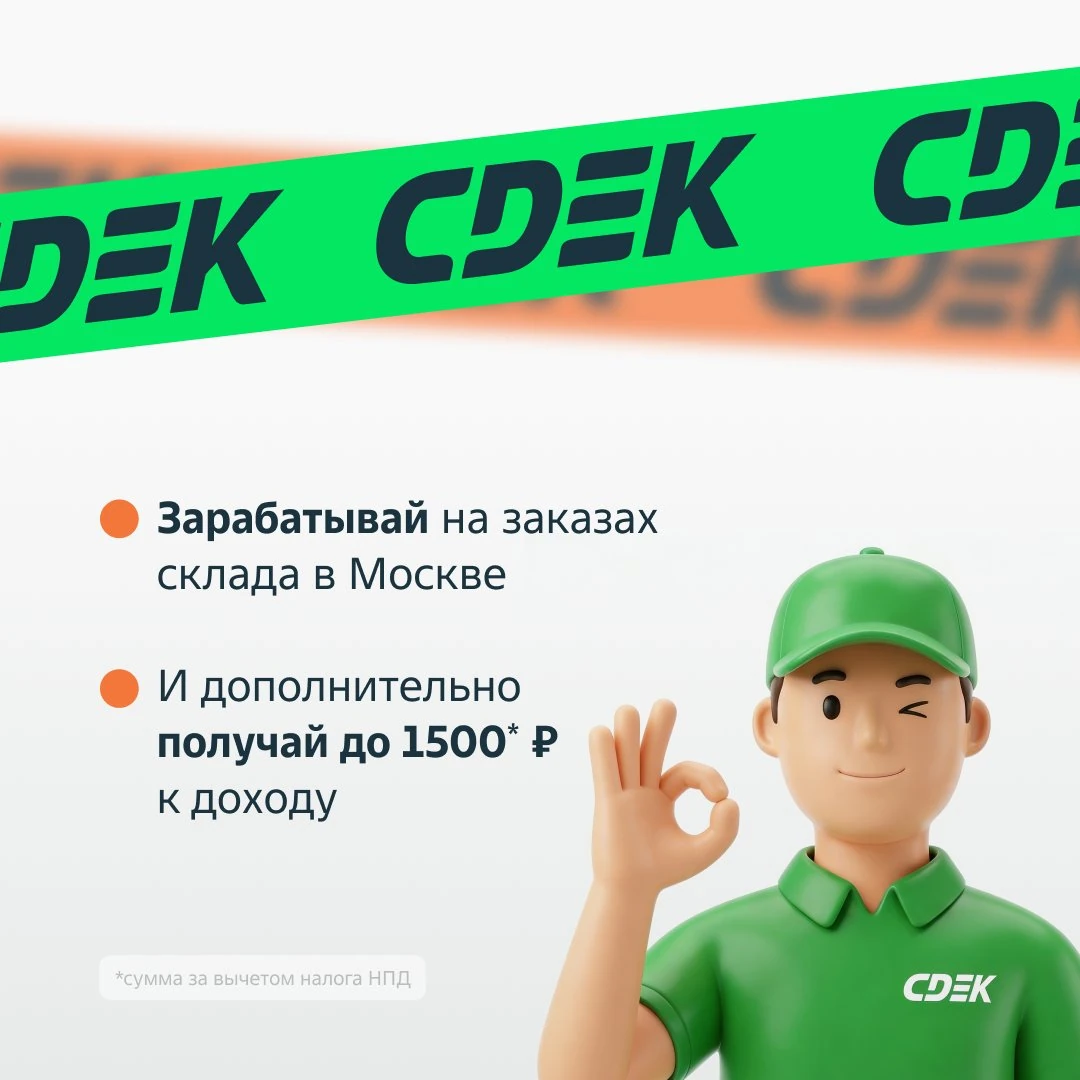
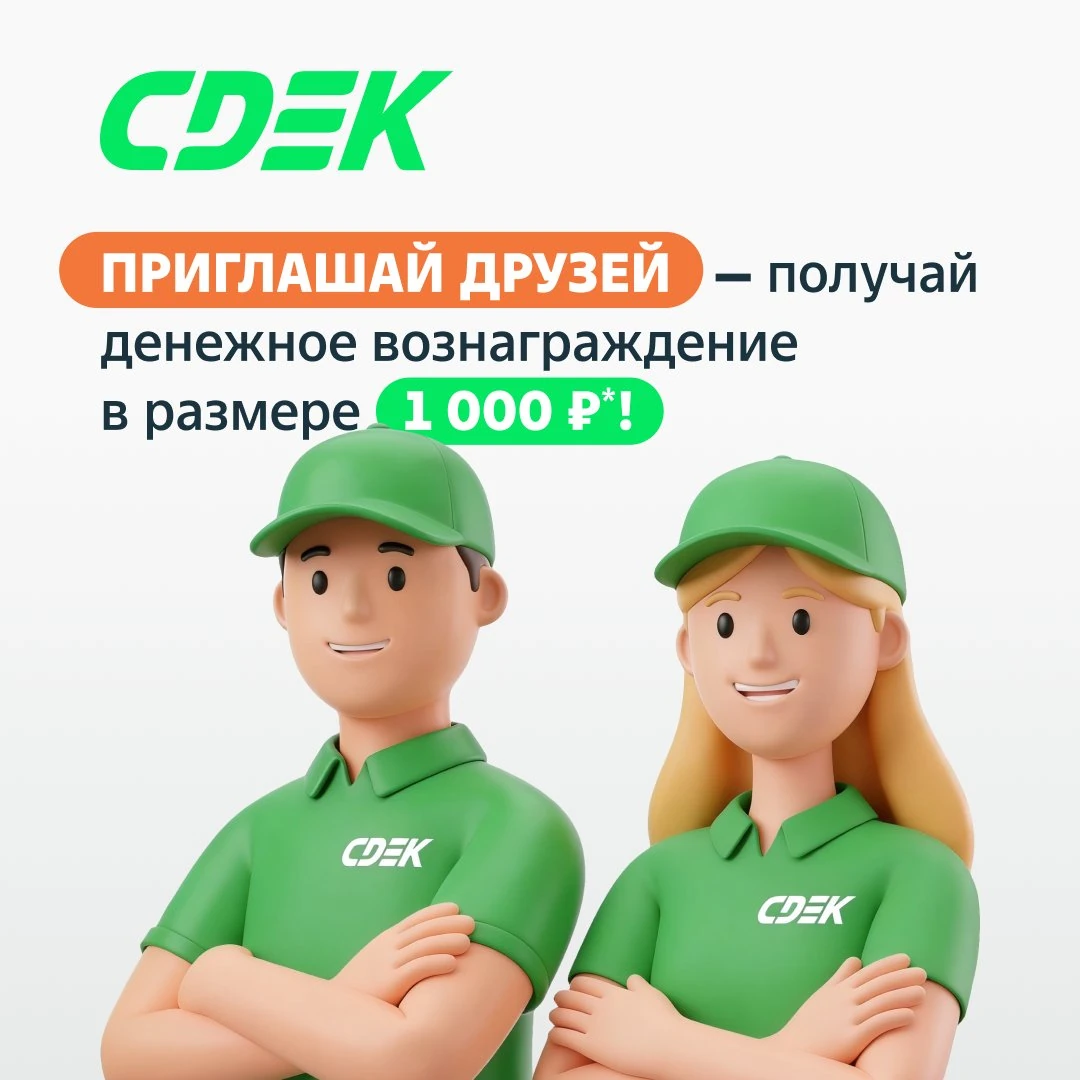
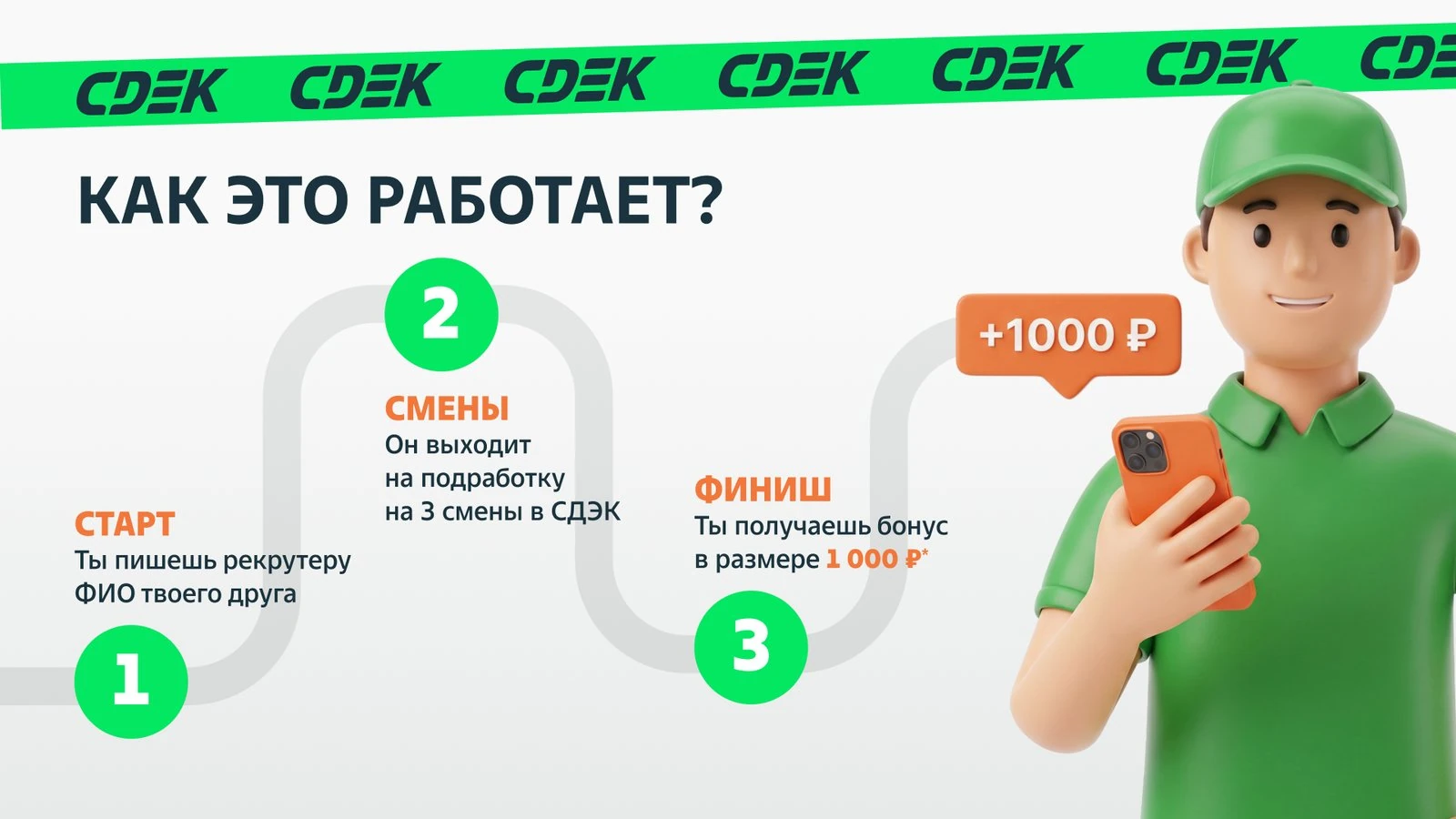
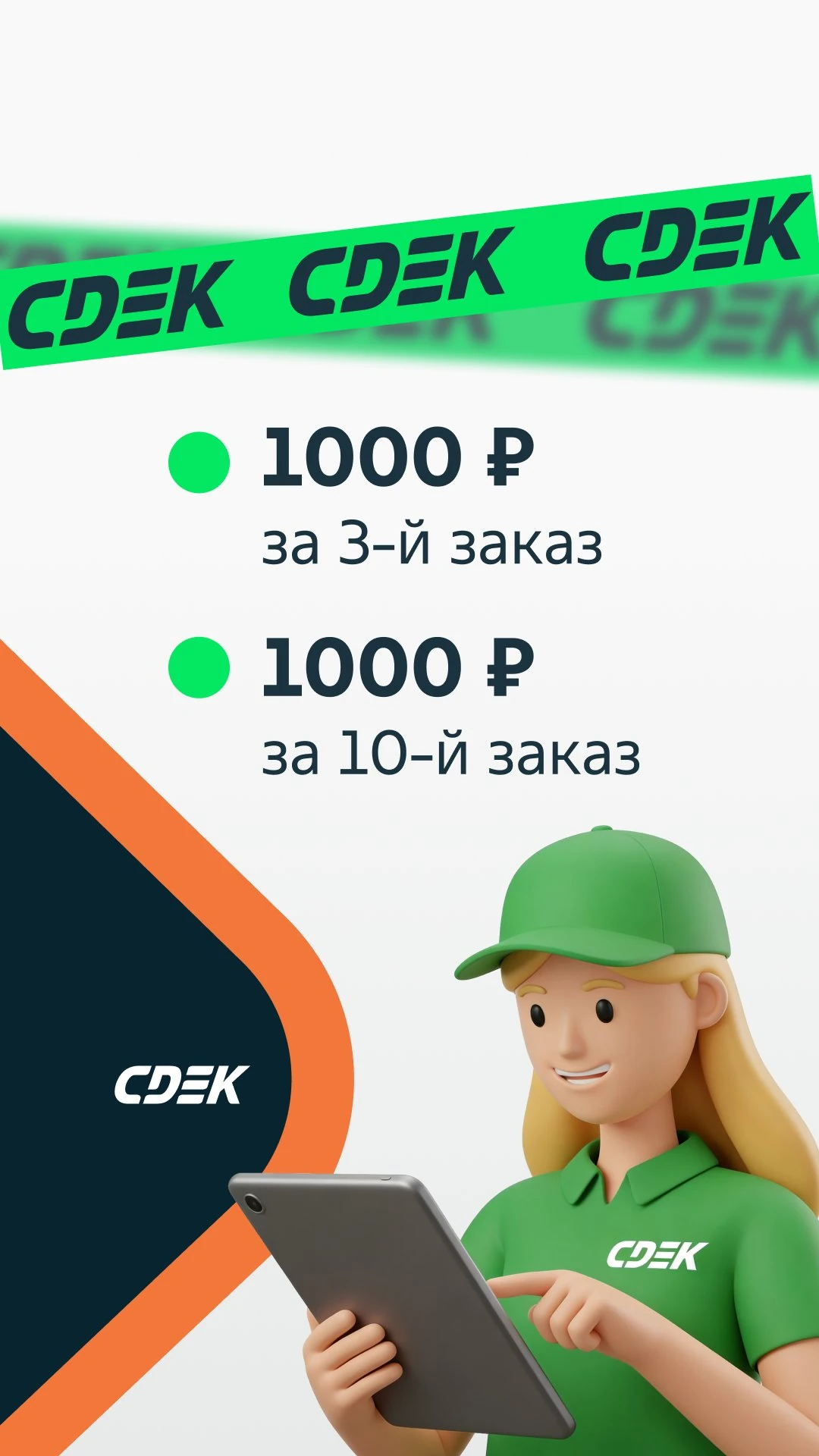
The campaign went live: the characters rolled out into advertising — banners, infographics, promo mechanics. Sasha and Lena became an invitation to join the team, not just a picture in a warehouse.

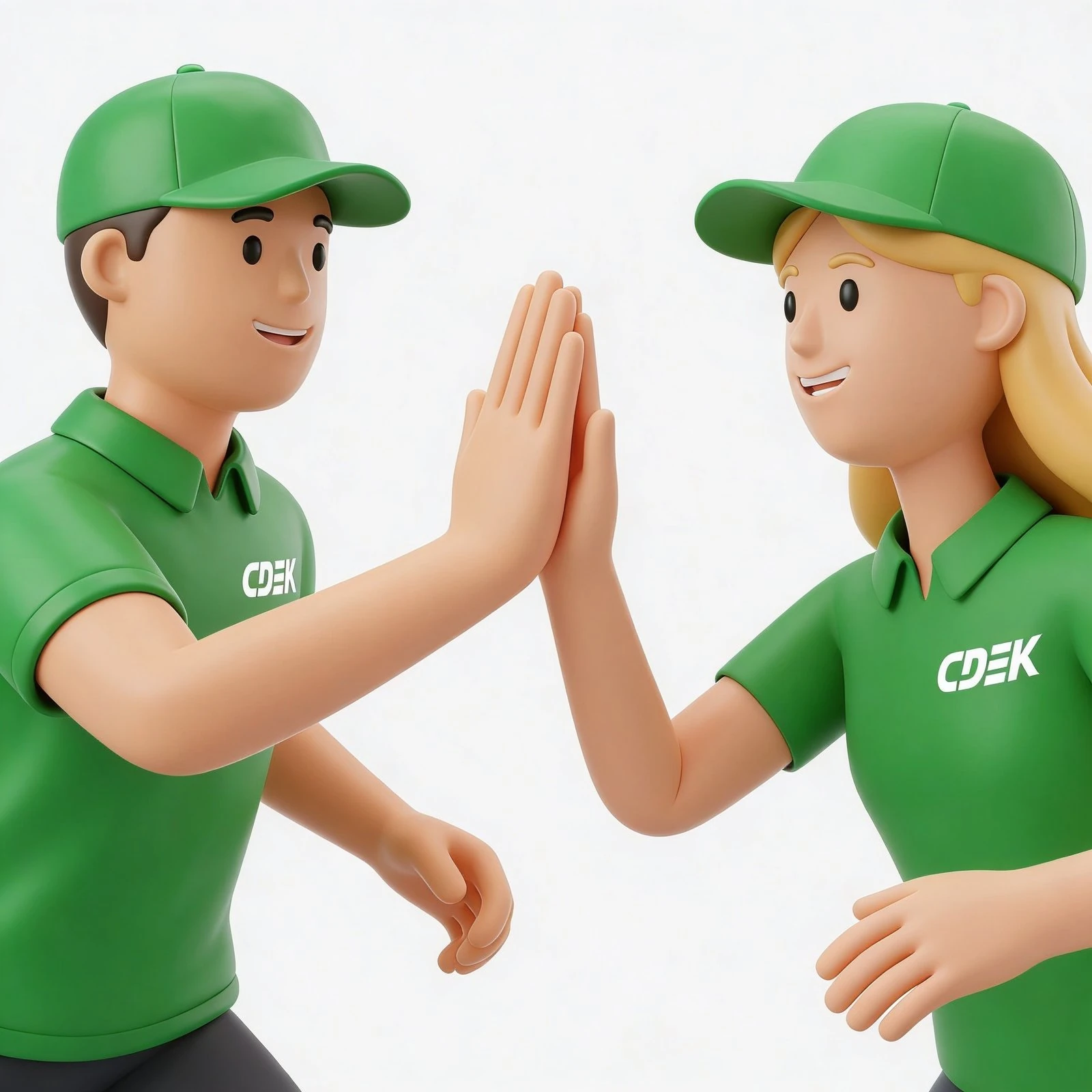
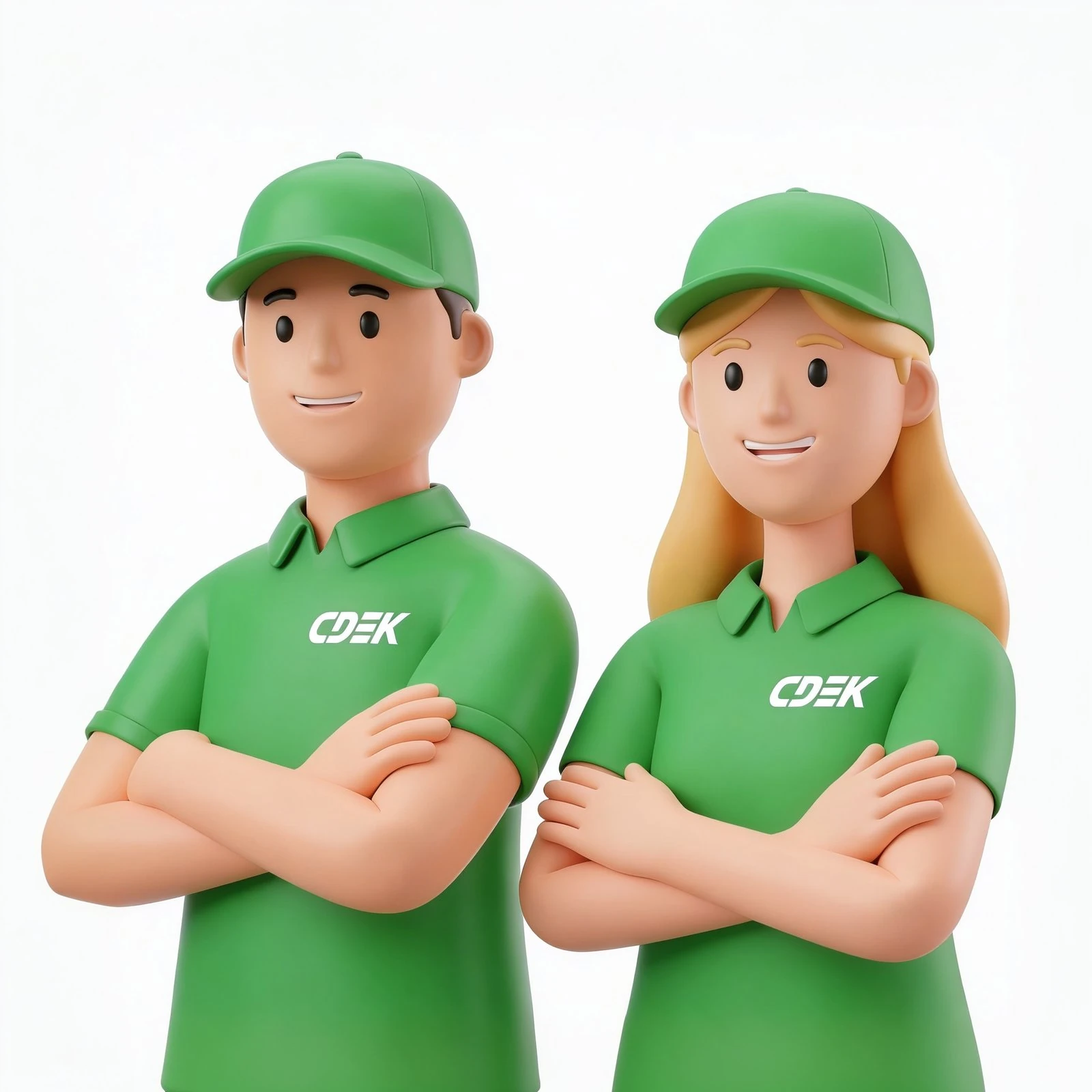
The characters togetherThe characters togetherAd bannerPromo mechanicInfographicsMobile banner

What came out of it

After a while the numbers showed the result: six times as many people wanted to take a shift — from two a week to twelve. Repeat shifts rose from 14% to 37%. Prompt engineering and pairing neural networks with hand refinement delivered what standard approaches couldn't.

The characters Sasha and Lena

Takeaways

Here AI didn't just process data — it gave a human, modern and relatable face to a job like warehouse work. The character became not a worker but an invitation to join the team — and that worked better than any direct offer.

More projects

Contact

© 2026 Stas Myrov